
In Vitro Fertilization Treatment
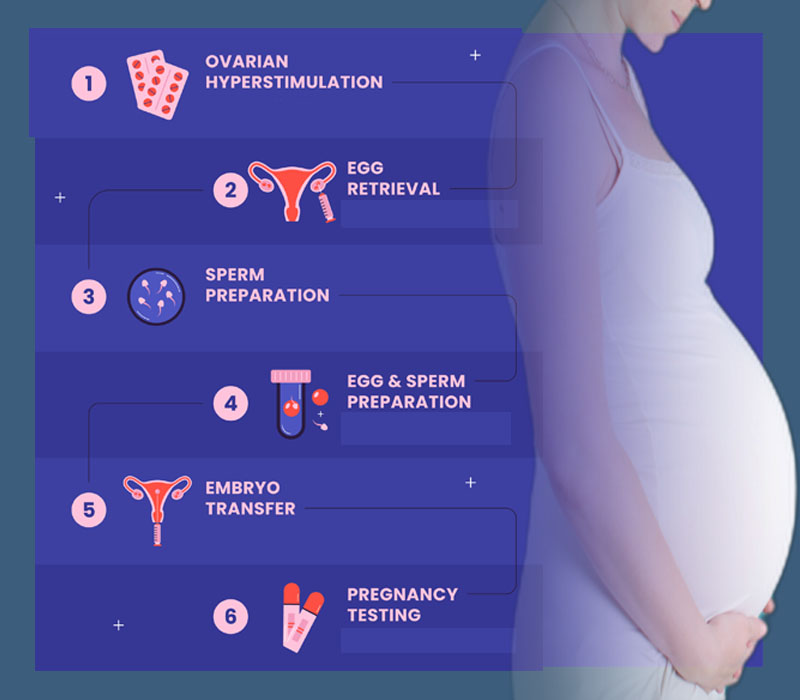
In short, in vitro fertilization treatment corresponds to the sum of the processes of bringing together sperm and egg cells taken from couples who cannot conceive normally in a laboratory environment, fertilizing them and placing them in the mother’s uterus.
Treatment Options
Insemination (IUI) Method
Insemination (IUI) is a natural fertility treatment that can increase the chances
of pregnancy for couples who cannot get pregnant or are having difficulty
getting pregnant. Clinic conditions are required for application.
Microinjection-ICSI
Microinjection (ISCI) is the process of injecting sperm into the egg. With this
process performed in a laboratory environment, fertilization is expected to
occur in 40-70 percent of mature eggs, although it varies depending on the egg
and sperm quality.
IMSI – Sperm Microinjection
The use of sperm examined under high microscopic magnification in the microinjection process is referred to as IMSI, that is, sperm microinjection.
This procedure allows morphological examination of better quality sperm cells compared to in vitro fertilization treatment and normal microinjection.
Blastocyst Transfer
Blastocyst transfer, which has begun to be implemented with developing technology, is one of the advanced in vitro fertilization methods.
In a normal pregnancy; The single-cell embryo, which is formed as a result of the union of ovaries and sperm cells, that is, fertilization, passes through the tubes and attaches to the mother’s uterus approximately 5-6 days after fertilization. The embryo, which expands in volume and moves beyond the surrounding membrane, is called blastocyst during this period.
Exosomal Therapy
Exosomes are small vesicles secreted by cells. They carry various molecules to communicate between cells, and these molecules can affect the growth, division and differentiation of cells. Isolated and purified exosomes are applied to target cells. These target cells are usually diseased and damaged cells. Exosomes can be used in in vitro fertilization treatment by adding them to the required culture medium and multiplying them, or by applying them directly to the tissue. Exosomes are injected into the woman or man before starting in vitro fertilization treatment. Thus, exosomes may help improve egg and sperm quality, embryo development, and the intrauterine environment.

Contact Info
 Hasanpaşa Mahallesi Nabizade Sokak B Blok No:82/5 Kadıköy Istanbul Türkiye Altıntepe Mahallesi Istasyon Yolu Sokak No:3/1 Bostancı 34804 Istanbul Türkiye
 +90 216 661 4400
 + 90 533 064 0700 / +90 530 253 8130
 contact@medexwell.com