
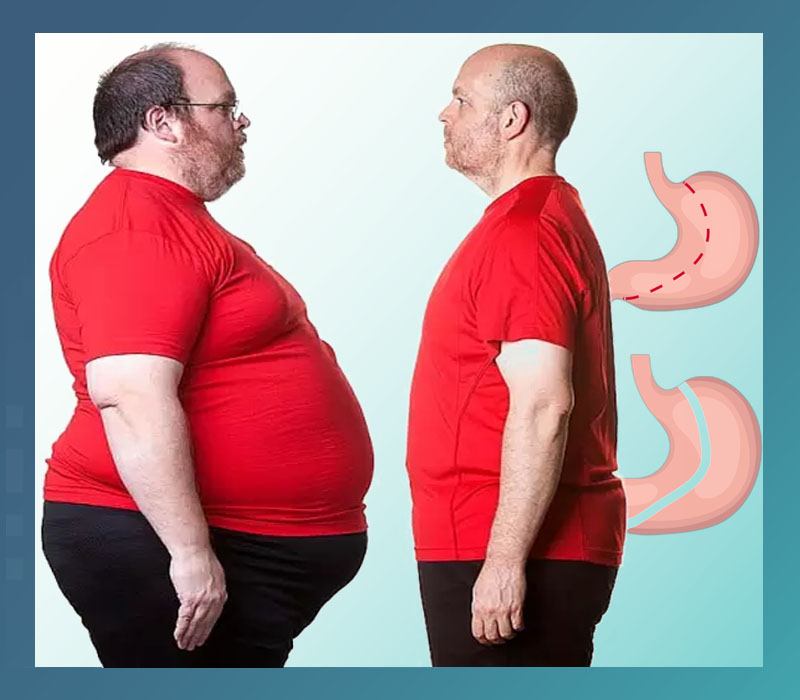
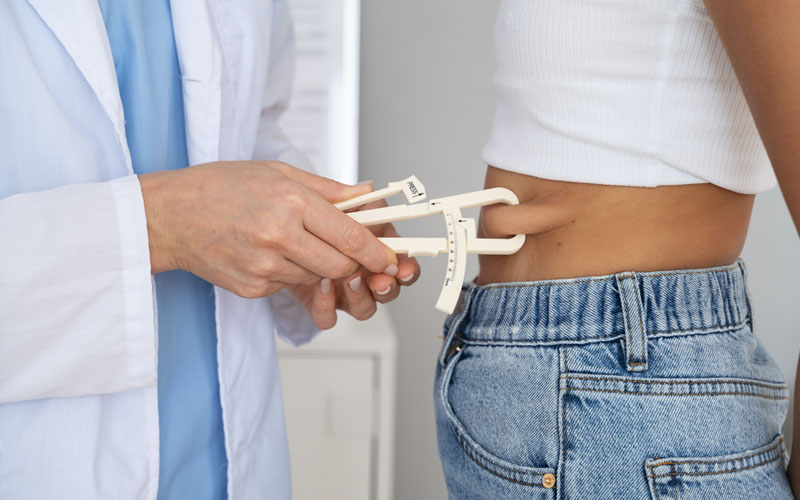
What is Obesity Surgery?
Surgical methods have been used for treatment of morbid obesity patients for
the last 10-15 years and successful results can be achieved. However, as with
every surgical operation, there are various risks in obesity surgery. Therefore,
before deciding on the operation, the treatment method for each patient should
be evaluated under the guidance of the doctor and, if possible, diet treatment
should be applied first. Surgical treatment methods are as follows:
Intragastric balloon placement
Gastric sleeve surgery (sleeve gastrectomy)
gastric bypass
Who Can Have Stomach Reduction Surgery?
In order to have stomach reduction surgery, the patient must be between the
ages of 18-80 and have a body that can handle anesthesia.
Body Mass Index (BMI) is over 40,
BMI is between 35-40,
Those who have comorbidities related to obesity,
Individuals with a BMI between 30-35 and diseases such as diabetes and
metabolic syndrome can undergo stomach reduction surgery.
What are the Stomach Reduction Surgery Methods?
In sleeve gastrectomy and gastric band surgeries, a part of the stomach is removed. Since part of the stomach is removed, the amount of food that can be eaten is reduced and thus weight loss is targeted.
In duodenal switch surgery, part of the intestine is removed along with the stomach. Since there is no part of the intestine, absorption is reduced and weight loss occurs.
Stomach reduction surgeries can be performed open or closed (laparoscopic). Laparoscopic surgery is more advantageous than open surgery because a small scar remains after the surgery. The likelihood of complications is low and the recovery time is faster than open surgery.
Sleeve gastrectomy surgery is the removal of approximately 75% of the stomach. The stomach remains small like a pipe after surgery, and thus, a feeling of fullness occurs immediately after eating very little. In this way, the feeling of hunger decreases. In addition, since the part of the stomach that produces the ‘hunger hormone’ is removed in this surgery, you do not feel hungry after eating. This surgery can be performed laparoscopically.
In Roux-Y Gastric Bypass surgery, a part of the stomach is disabled and a new, smaller stomach is made. He cuts a part of his intestine and ties it to the end of your small stomach. The disabled stomach connects with the duodenum. Thus, the image of the letter ‘Y’ emerges. As a result of this surgery, most of the stomach loses its function. The nutrients go to the new small stomach and the intestines connected to it.
Biliopancreatic diversion surgery aims to reduce nutrient absorption by removing a large portion of both the stomach and intestines. Food intake is
limited by creating a small pocket in the stomach. Since this surgery is more serious than others, it is preferred in patients who are very overweight

Contact Info
 Hasanpaşa Mahallesi Nabizade Sokak B Blok No:82/5 Kadıköy Istanbul Türkiye Altıntepe Mahallesi Istasyon Yolu Sokak No:3/1 Bostancı 34804 Istanbul Türkiye
 +90 216 661 4400
 + 90 530 253 8130 / +90 533 654 6030
 contact@medexwell.com